The brief
Identify a significant, recurring engineering problem in infrastructure projects, propose a Digital Engineering innovation to address it, evaluate at least two real-world case studies of that innovation in practice, and deliver practical recommendations for adoption.
The problem
The team's starting point was construction's reliance on manual, reactive hazard reporting. In 2022, nearly 1 in 5 workplace deaths occurred in construction, with 38.4% caused by falls, slips, and trips — a problem that reactive reporting structurally can't get ahead of.
The proposed innovation
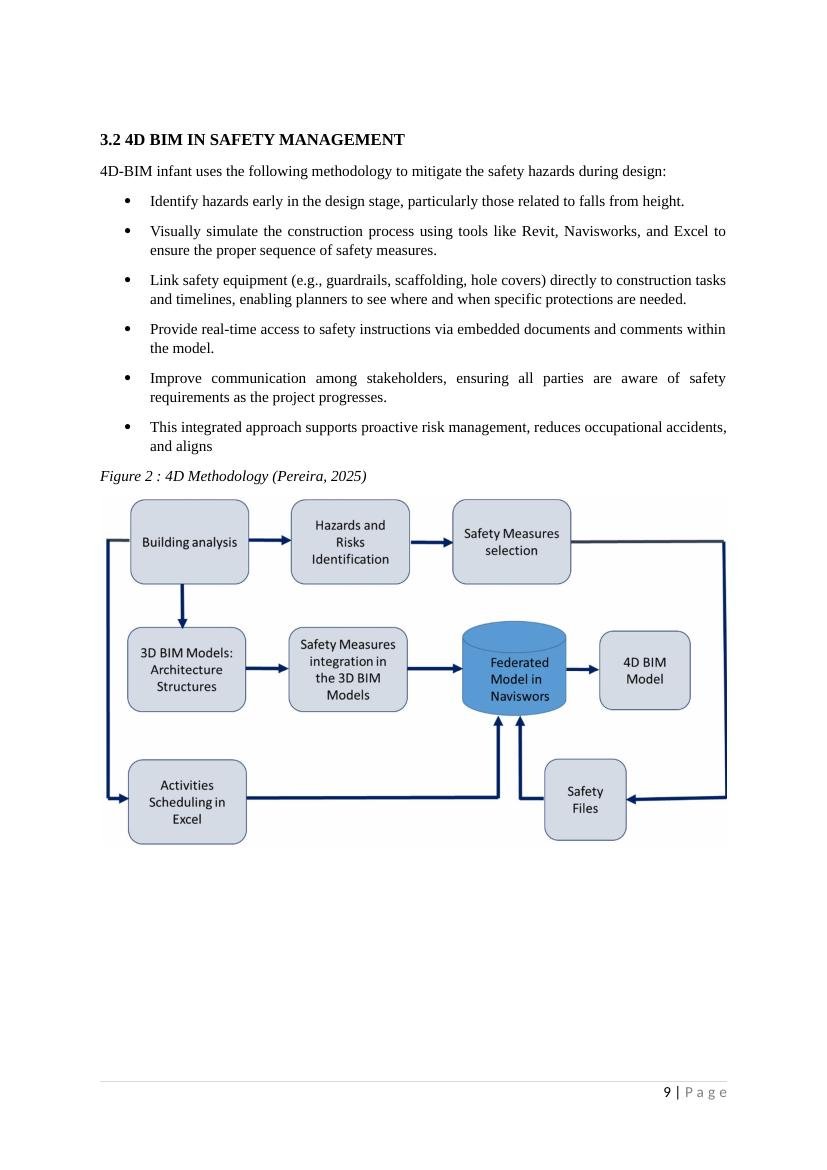
A 4D BIM smart safety monitoring system built in Revit and Navisworks, linking safety equipment and protocols directly to construction tasks and timelines — with real-time mobile hazard alerts pushed to workers on site.
Case study 1 — Bangladesh
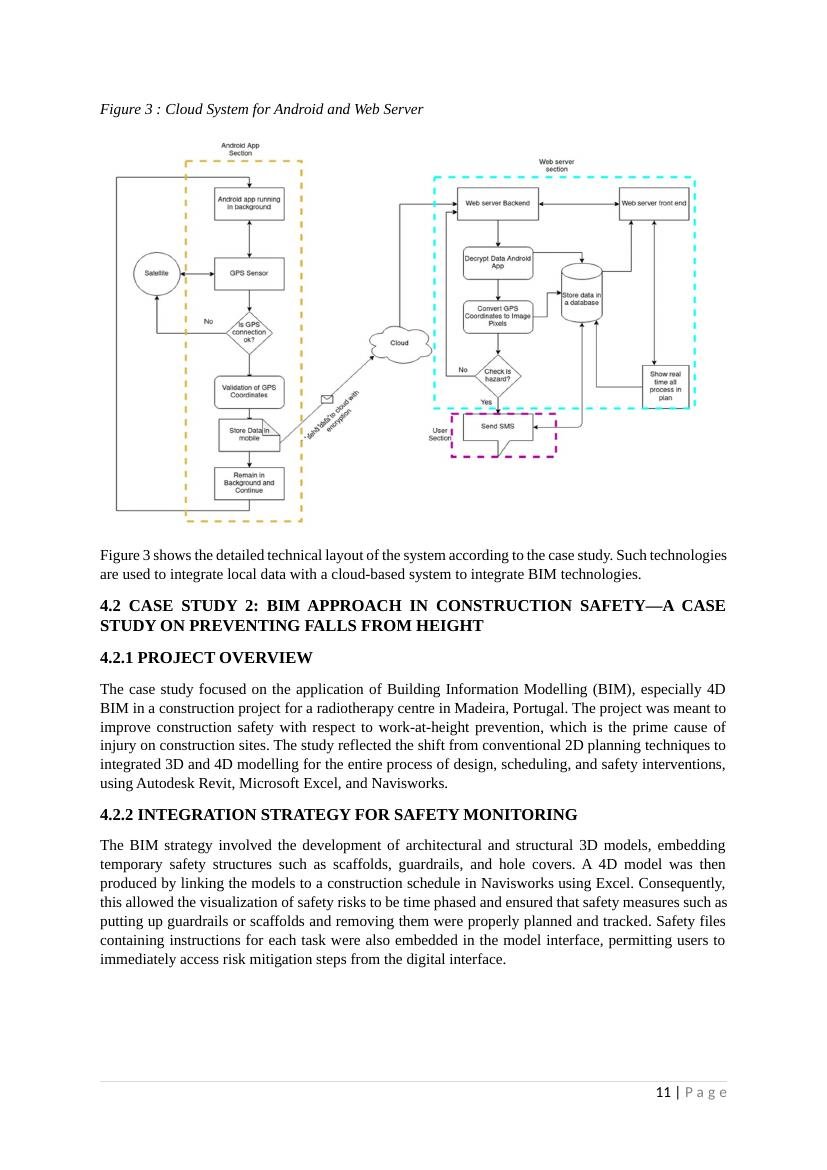
An Android GPS-based hazard-alert app integrated with a cloud-hosted BIM model via PHP/MySQL, tested on a live construction site at Khulna University of Engineering and Technology — demonstrating real-time worker location tracking against defined hazard zones.
Case study 2 — Portugal
4D BIM applied at the design stage of a radiotherapy centre project in Madeira, embedding temporary safety structures (scaffolds, guardrails, hole covers) into the model and linking them to the construction schedule via Navisworks — a "prevention through design" approach.
What the comparison showed
Case 1 favoured reactive, real-time operational monitoring. Case 2 favoured proactive, pre-construction risk mitigation. The team's conclusion: the right approach depends on a firm's technological capability and the project's stage — there's no single correct answer, only a better fit for context.
Common challenges identified
- Worker distraction from mobile alerts
- BIM software licensing costs
- Data privacy concerns around real-time worker tracking
- Indoor GPS signal accuracy
Recommendations
A phased implementation model, stakeholder training and onboarding, a data privacy/security strategy, and system customisation for different project types and sizes.
Tools & skills
- BIM authoring and coordination (Revit, Navisworks)
- 4D construction sequencing methodology
- Case study research and comparative analysis
- SWOT framework · Harvard referencing